Paid posts leaked beyond the paywall: who actually absorbs the loss
Sitting with your phone on a weekend, you drag a few saved clips into a group chat and add a casual "look at this". The sender rarely thinks twice about a gesture that takes seconds. But on the other side of the screen, for independent creators, paid content flowing into free channels can be the moment subscription income starts to shrink. Using subscription platforms like OnlyFans and Fansly as examples, this piece looks at how the impact of paid content leaks takes shape, who ends up carrying it, and how to keep saving clean.
When paid content is leaked, subscription income is hit first
Paid content forwarded without authorization can weaken the willingness of potential subscribers to pay. For independent creators living on subscription income, the wider the spread, the harder it is to control where content ends up, and the harder to tell how many people reached it through channels that never asked for payment. On platforms like OnlyFans and Fansly, many small creators cover equipment and time costs from subscription shares; once paying intent is diverted, update plans start to wobble.
Leaks carry a second layer of impact: once content is moved onto public channels, creators often spend large chunks of time on takedowns and impersonator accounts — labor that brings in no income. Creation time gets squeezed, updates slow down, and the new content every subscriber sees becomes scarcer too.
The process moves faster than intuition: one person saves and forwards in a group chat, minutes later it sits on a public site, then repackaging accounts bundle it up for resale — by the time the creator notices, the source is already hard to trace.
The impact of paid content leaks also lands on other subscribers
The cost of a leak does not always stop with the creator; in some cases other subscribers get pulled in too. Creators need extra effort to handle piracy, content distribution control becomes more complicated; to hedge income swings, some creators raise subscription prices, push more content behind higher paywall tiers, or add watermarks and dynamic markers.
The more deflating version: after repeated leaks a creator loses heart, deletes the account and leaves, and the series you were halfway through stops mid-story. The piece on why creator accounts disappear covered the causes separately, and repeated leaking is one of the more underestimated ones.
Looked at the other way, subscribers hold real leverage: renew on time, report reposts when you see them, skip those "full packs". When a platform judges whether an ecosystem is healthy, it reads paid conversion and retention — everyday actions like these, added together, shape whether creators stay.
Personal offline saving and sharing onward are two things to judge separately
Whether the former is allowed depends on platform terms, content licensing and applicable law; the latter, if unauthorized, can widen the spread of paid content and affect how creators control it and earn from it. Even sending it to one friend is not permission to pass it on again — every "just one person" in the chain stacks up into a distribution chain. The legal side was laid out in a separate piece on the boundaries of content downloading, so it is not repeated here.
One common confusion worth clearing up: storing in a private cloud drive and sending a link to a second person are also two different things — the latter already counts as distribution, whether or not the other side pays to watch.
Platform handling and account risk: how ordinary subscribers avoid collateral damage
When paid content is reposted at scale, platforms may take measures such as content takedowns, account reviews or other handling. Account sharing and abnormal logins can also violate platform rules; the specific handling depends on platform policy and the situation. For ordinary subscribers, not spreading paid content, not sharing accounts and following platform terms is the steadier path — and it protects your own account at the same time.
Use VidBrowser to save authorized videos to your local drive
Keeping an offline copy while content is still there works out far better than scrambling after it disappears. Creators delete or leave with no warning; the piece on content suddenly disappearing sorted those cases out. To keep what you are authorized to watch ahead of time, VidBrowser folds the whole job into one desktop app: watch and save videos on Windows and Mac, with download and recording built in.
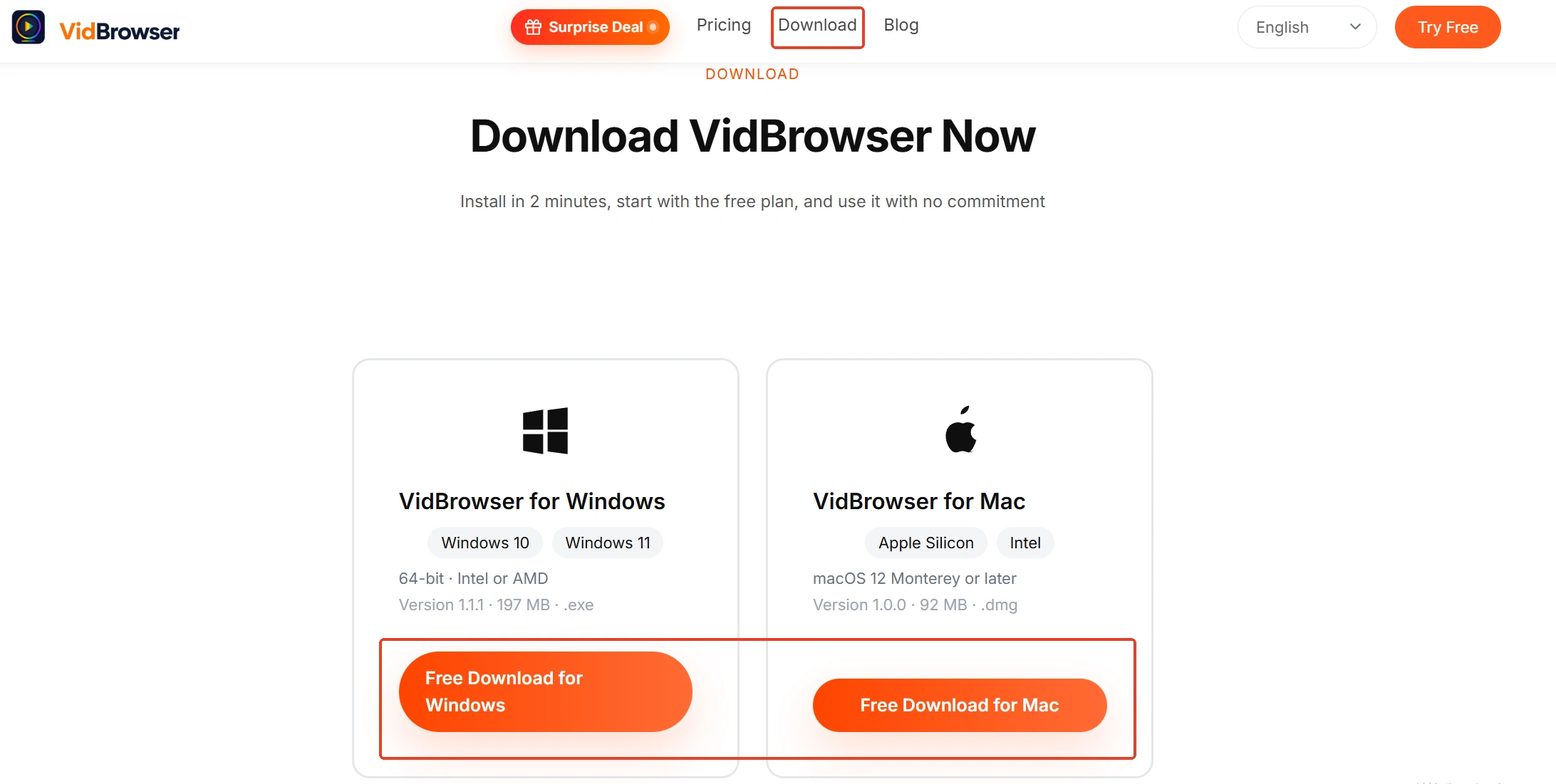
Step 1: Install and open VidBrowser. Log in to the platforms you subscribe to with the built-in browser and browse as usual.
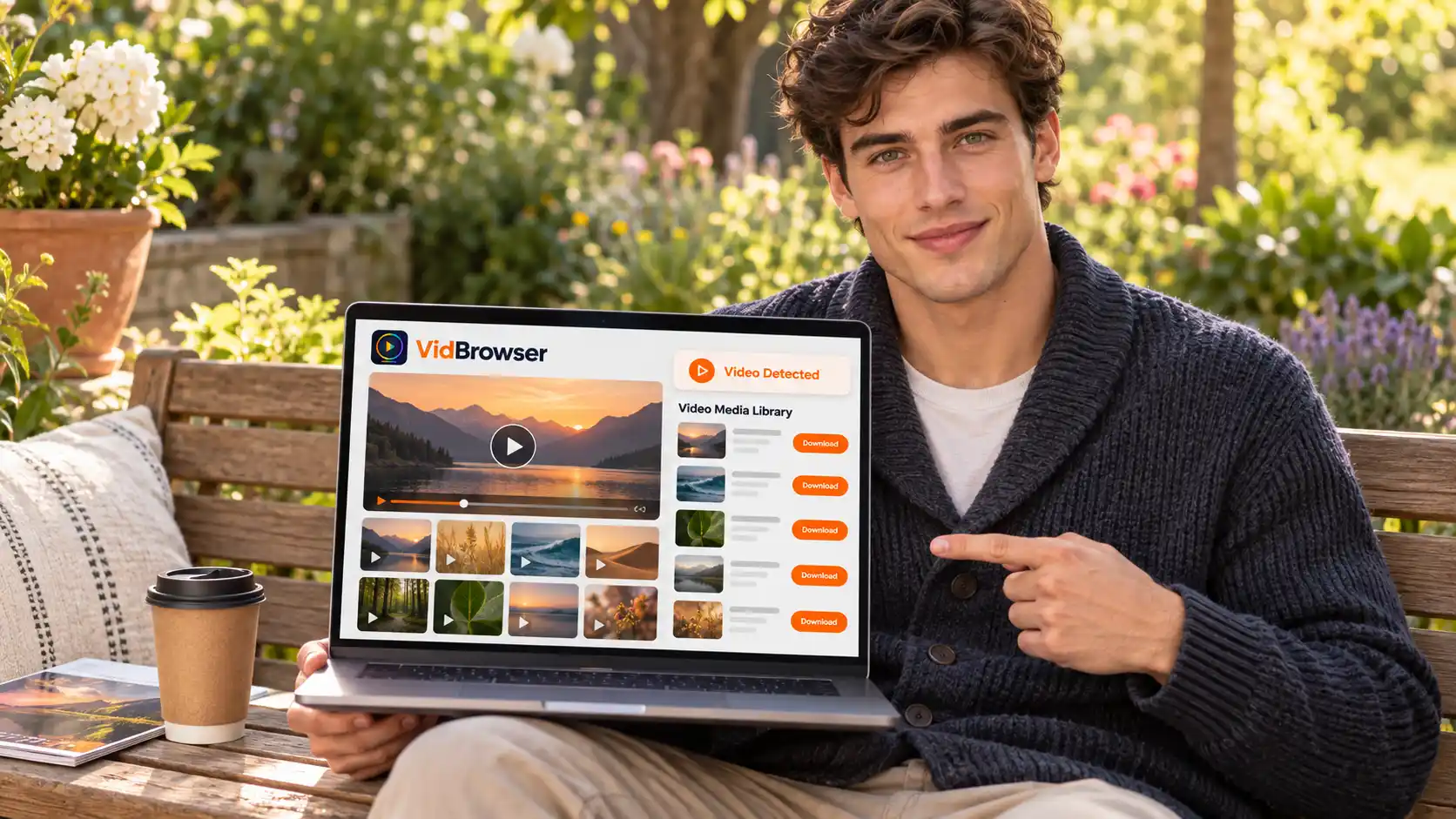
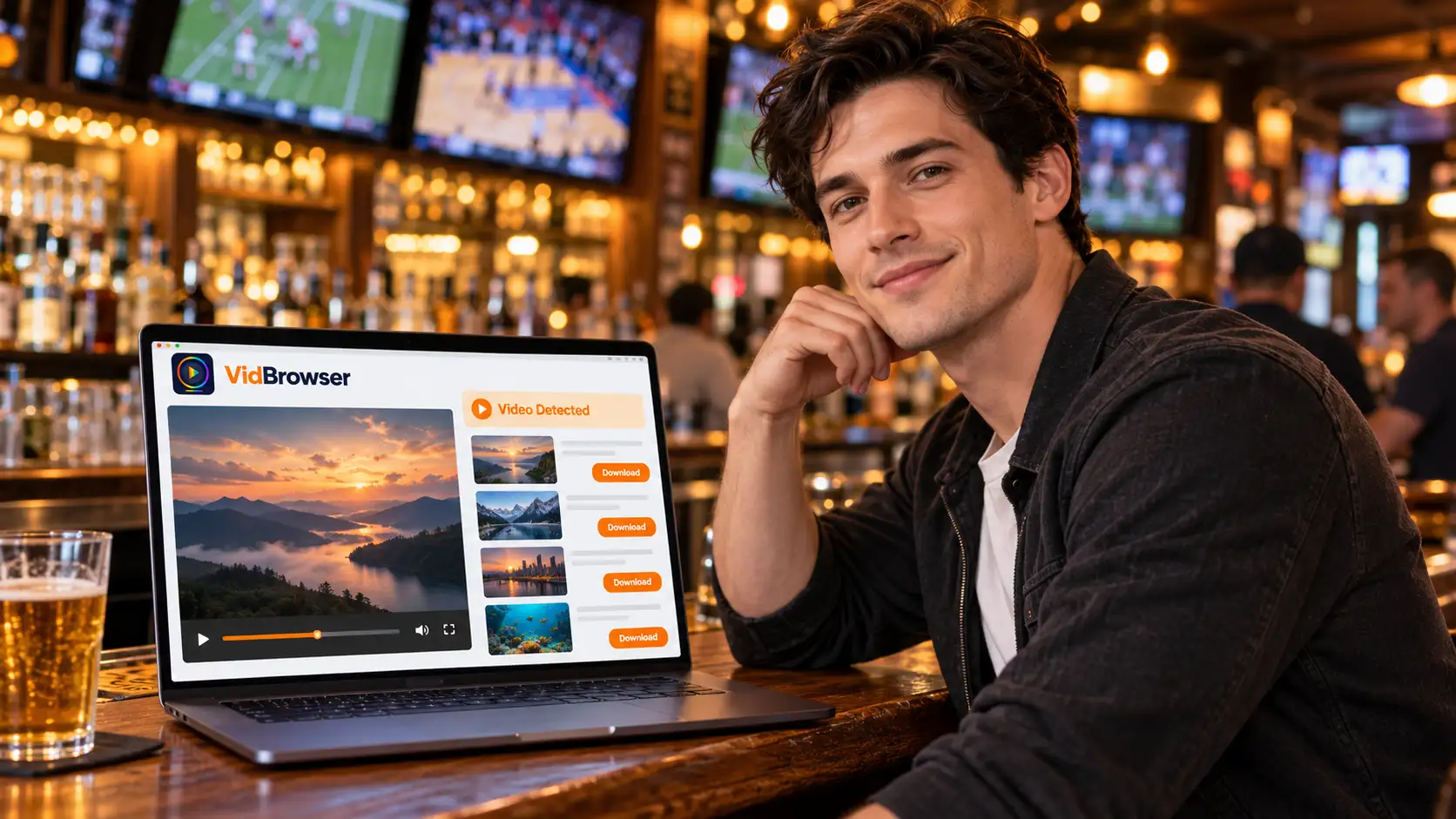
Step 2: Let the tool find the videos. Open the page you want to keep; when the "video detected" prompt appears, items that can be downloaded directly are listed in the "video media library" on the right with an orange "download" button — click to save.
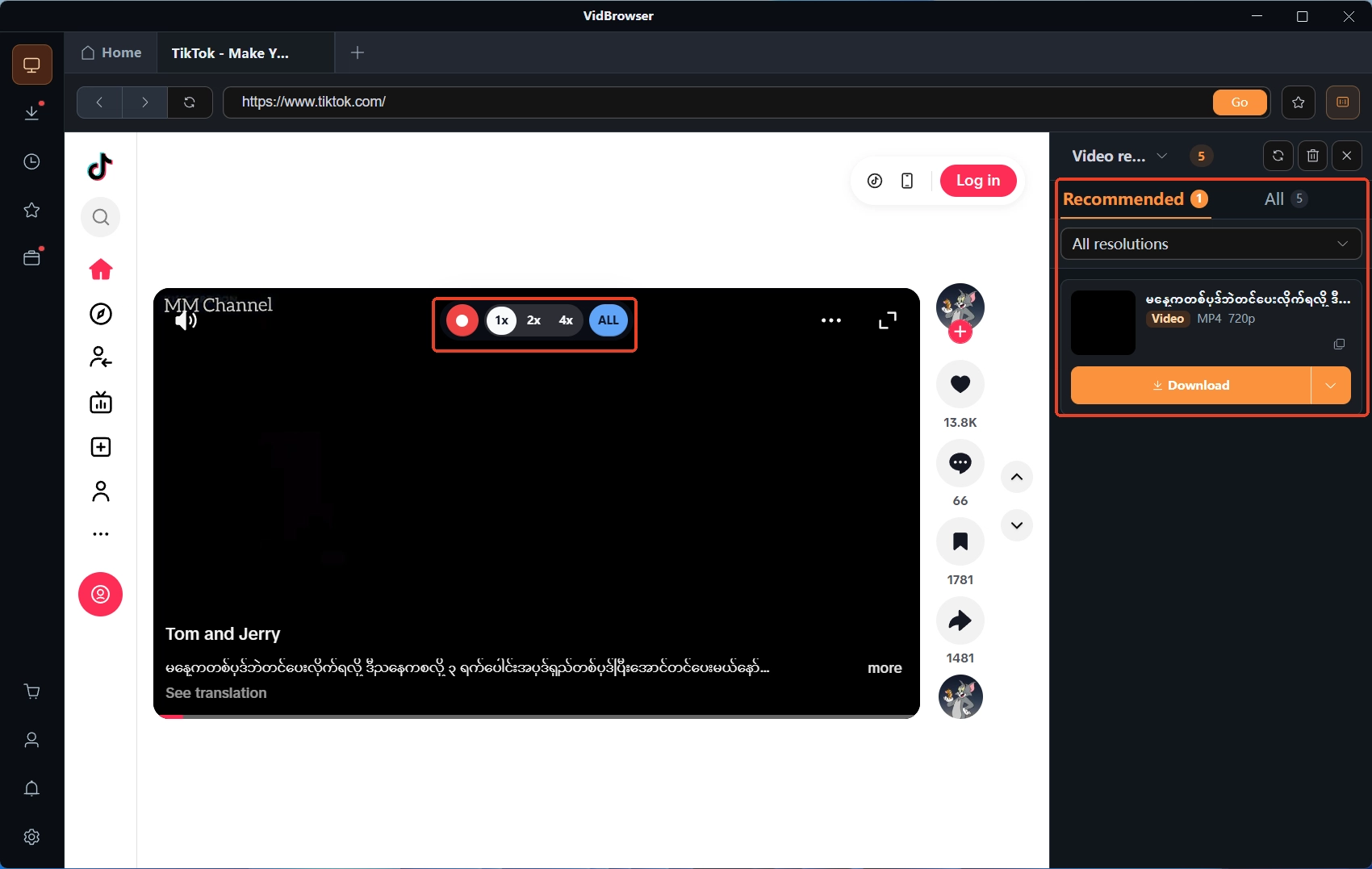
Step 3: Use recording for what cannot be downloaded directly. The recording controls support 1x real time, or 2x and 4x speed to finish faster, with full recording or pause-and-select; finished recordings land in the media library too. Once saved, records are viewable in "download history" and files can be managed on your computer; keep the files to yourself, do not redistribute without authorization, and mind each platform rules on downloading, recording and offline saving.
FAQ
Does saving to my own private cloud drive count as leaking?
A local file that stays with you and private cloud storage generally do not constitute distribution; but whether saving to a cloud drive is permitted depends on the specific platform terms. What deserves attention: once a share link goes out to someone else, the nature changes from keeping to spreading. The steadier choice is a local hard drive, with backups on offline portable media.
What happens if I forward paid content without authorization?
Platforms may restrict or ban the accounts involved, and creators may help trace sources through watermarks and order matching; the specific outcome depends on platform rules and the actual behavior. Do not gamble your subscription account on it.
I found content I subscribe to reposted — what should I do?
Tell the creator anonymously so they can file takedowns quickly; do not open or save those "full packs"; if you shared it by mistake, retract it at once and ask everyone who received it to delete. Active repair beats pretending it never happened.